
Before you say yes to that training request, start here
If you’ve ever been handed a request that starts with “We need a training on…”—you already know the trap.
It sounds collaborative. But it’s often where strategic impact quietly dies.
Because when you start with the solution, you lose your seat at the table where the important decisions are made.
The shift to becoming a strategic L&D partner isn’t about sounding more “business-y.” It starts somewhere simpler—and more demanding:
You deeply understand the business… and you help shape what happens next.
And that starts before the conversation even begins.
Your 5-Minute Prep to Show Up as a Strategic L&D Partner
Before your next stakeholder conversation, take a minute to get grounded:
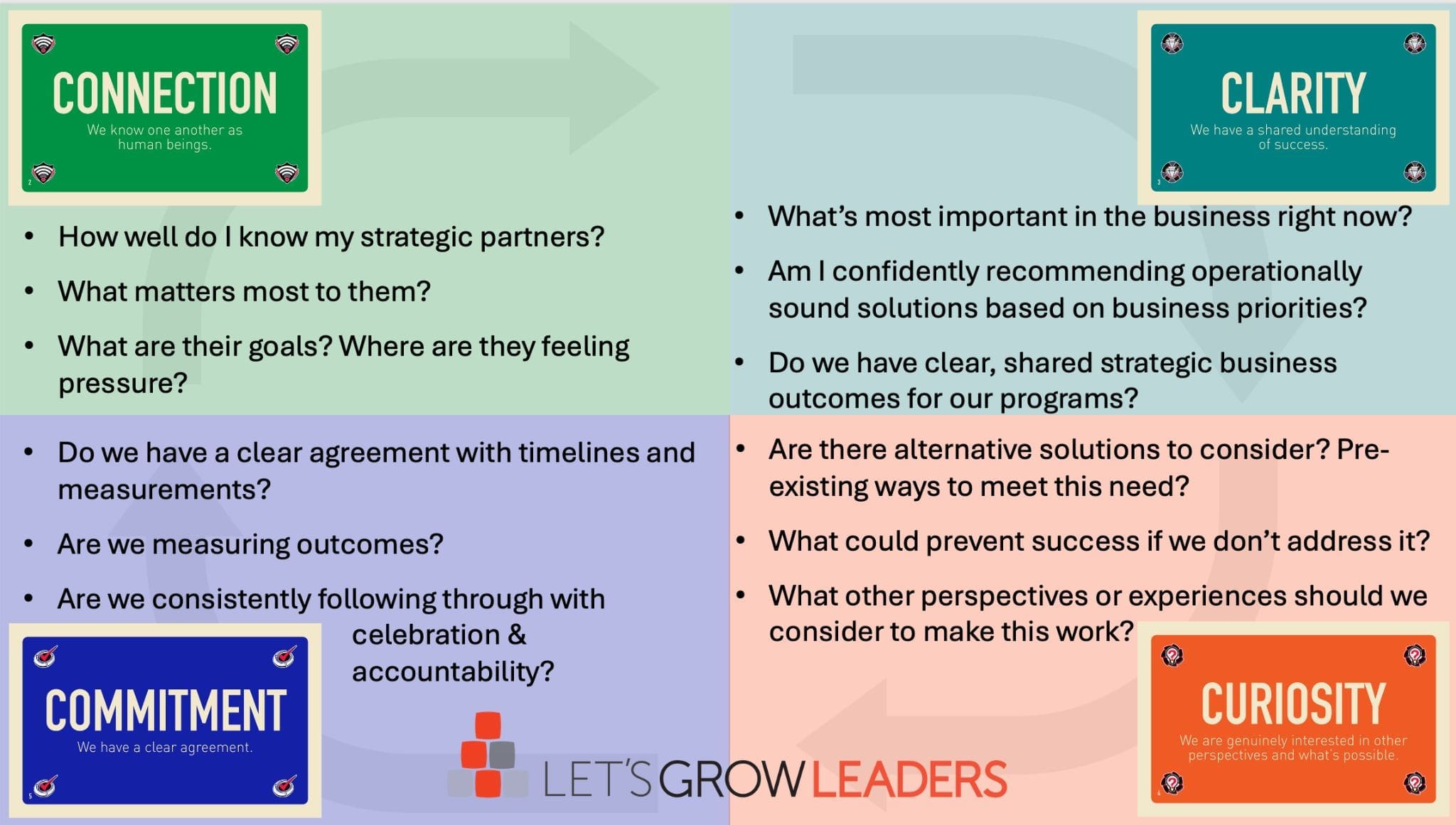
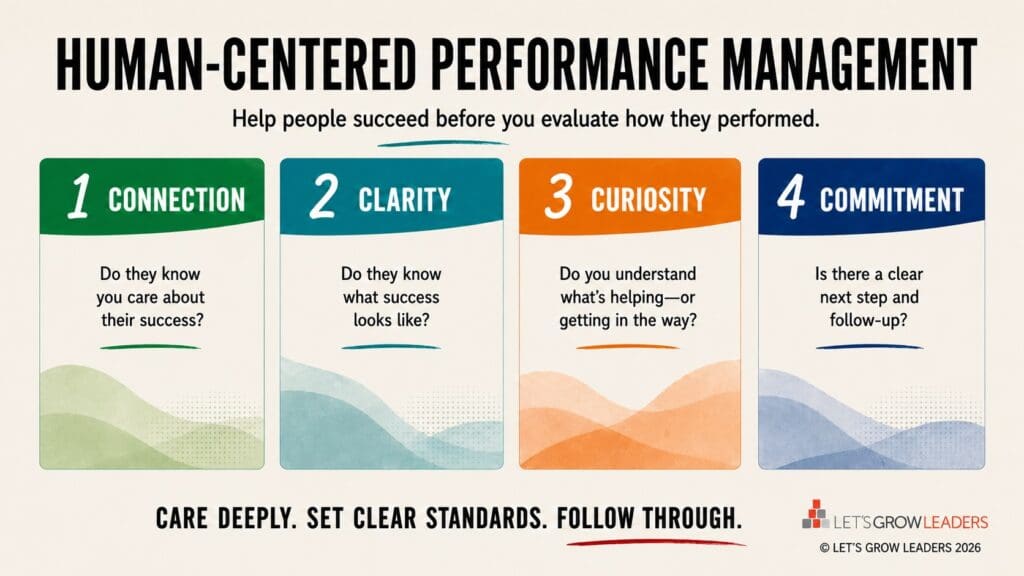
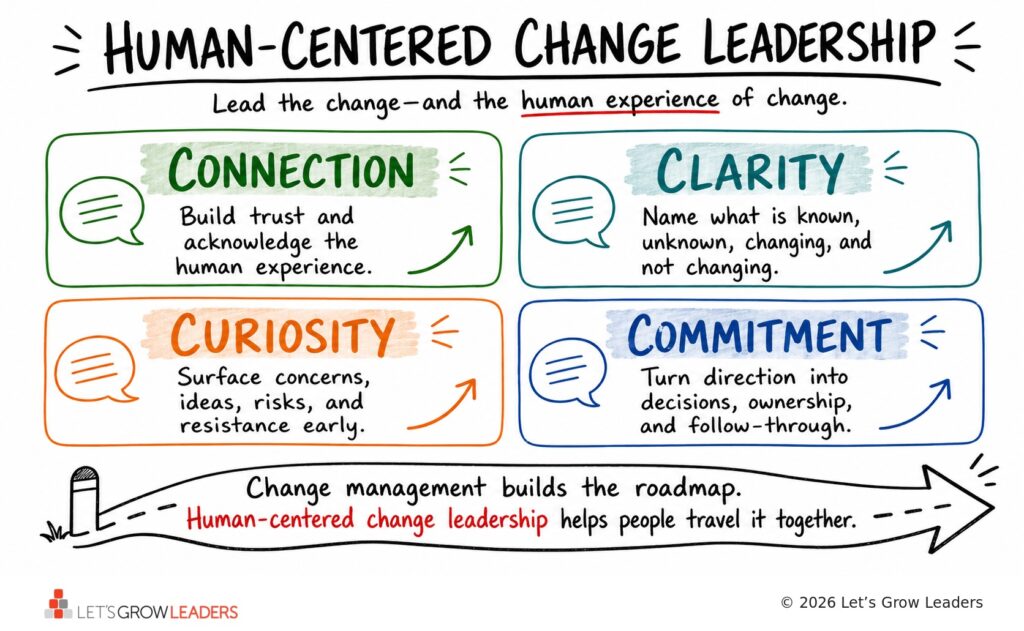
- Connection: What matters most to them right now?
- Clarity: What business outcome are we solving for?
- Curiosity: What might we be missing?
- Commitment: What will we do next—and how will we measure it?
That quick reset changes how you listen, what you ask, and what you recommend.
Let’s walk through what that looks like in practice—and how you can use it starting this week.
1. Connection: Start with the Human, Not the Program 
Before you can influence direction, you need trust. And trust doesn’t come from your learning strategy deck.
It comes from how well you understand your stakeholders, their goals, and the pressures they’re navigating.
So instead of asking, “What training do you need?” try starting here:
- How well do I really know my strategic partners?
- What matters most to them?
- Where are they feeling pressure—and what’s at stake if they don’t deliver?
This is where many L&D professionals unintentionally stay too shallow. You know the org chart. You know the competencies. But do you know what’s causing your VP stress?
When you do, everything changes.
You stop being the person who delivers learning. And become the person who helps them win.
And here’s the bonus: when connection is strong, your recommendations land differently. People are far more open to influence when they feel understood first.
Practical move:
Schedule one “no-agenda” conversation this week. Your only goal: understand their world better than you did yesterday.
2. Clarity: Anchor Everything in What Matters Most
Once you understand the human side, the next shift is discipline around priorities.
If success isn’t clear the solution won’t be either. And not everything requires a learning solution.
Strategic L&D partners don’t just respond to needs—they help refine them.
Ask yourself:
- What’s most important in the business right now?
- Am I confidently recommending solutions grounded in those priorities?
- Do we have clear, shared business outcomes for this work?
This is where you earn your credibility.
It takes courage to say, “I’m not sure training is the right first move here,” and then offer something better.
Practical move:
Before agreeing to your next request, pause and ask:
“What would success look like—and how would we measure it?”
If that answer isn’t clear, you’ve found your opening.
3. Curiosity: Expand the Conversation
“We need training” is usually the beginning of the conversation, not the whole solution.
Here’s where great L&D partners separate themselves from good ones.
You don’t just clarify the need—you explore what’s possible.
That means staying genuinely curious, even when the answer feels obvious.
- Are there alternative solutions to consider?
- What has already been tried?
- What could prevent success if we don’t address it?
- Whose perspective are we missing?
Curiosity does two powerful things: It surfaces smarter solutions, and it signals that you’re thinking beyond your function.
This is where many L&D teams play it safe.
It’s easier to design a program than to ask the harder question: “What if training isn’t the bottleneck?”
Strategic partners go there. Because they know the goal isn’t to deliver learning. The goal is to solve the right problem.
Practical move:
Add one question to your next conversation:
“What else have you already tried?”
4. Commitment: Move from Insight to Impact
 Great conversations don’t create value—follow-through does.
This is where strategy becomes real.
Ask:
- Do we have a clear agreement with timelines and measures?
- Are we tracking outcomes—not just participation?
- Are we consistently following through with both celebration and accountability?
This is where L&D either cements its strategic role… or drifts back into support mode.
Because without clear commitments, even the best-designed solution becomes “that thing we tried.”
Practical move:
Before you wrap any conversation, align on:
- What success looks like
- Who owns what
- When you’ll review progress
Simple. Powerful. Rarely done well.
Your Influence Matters
Being seen as a strategic L&D partner isn’t about having a better learning strategy.
It’s about how you show up in the moments that matter:
You…
- Connect before you prescribe
- Clarify before you build
- Stay curious before you decide
- Create commitment before you move on
And it starts with a simple habit:
Pause for two minutes before the conversation.
Get clear on what matters.
Then walk in ready to help them think.
Because when you do that consistently, something shifts.
You’re no longer the person who gets handed requests.
You’re the strategic partner executives bring in earlier—because they know you’ll help them get it right.
We love working with L&D leaders to help their teams become better strategic partners. We’re premiering a new program at the Global ATD Conference Beyond Training: Habits that Set Strategic L&D Partners Apart. We would love to have you join us. Or reach out and we can talk about bringing a custom program to your L&D or HR team.



David and Karin,
Fantastic post and your guidance and input is spot-on.
Sincerely,
Kurt
Thanks so much, Kurt! Great to hear from you.
Glad it was helpful Kurt!
All this is fully true for external learning partners. The difference between delivering an off-the-shelf training from a ready-made deck and providing a tailored solution that requires an understanding of the underlying problem is huge in impact and relevance. It is more effort in preparation, and not always easy to communicate to the potential customer. At the same time it creates a lasting impact and a business relationship that benefits both sides and has the customer come back for more when they need it.
Thank you, Andreas! You raise such an important point here. Truly customized, strategic solutions require more effort and communication in both preparation and delivery. And so worth the ROI.
Well said, Andreas – and vital for every provider. Both internal and external have to “sell” it in by being super clear about the outcomes and what happens when those are achieved. (And what happens when they are not.)