
Two Ways to Strengthen Collaboration During Change
If you’re leading through change right now, you’ve probably felt it.
Collaboration gets harder.
Even strong teams can start struggling with communication, decision-making, and problem-solving when priorities shift and uncertainty rises. You start seeing more hesitation, more meetings, and slower movement on good ideas.
Managers feel stretched trying to keep everyone aligned and moving forward while also navigating the change themselves.
You can’t scale collaboration through top-down communication alone.
The organizations navigating change most effectively build more collaboration capability throughout the business. Yes, training is important. What matters next is reinforcement to ensure the humans you’ve trained are applying what they’ve learned.
Here are two approaches we use with clients navigating change that work especially well.
1. Build a Cross-Functional Network of Collaboration Catalysts
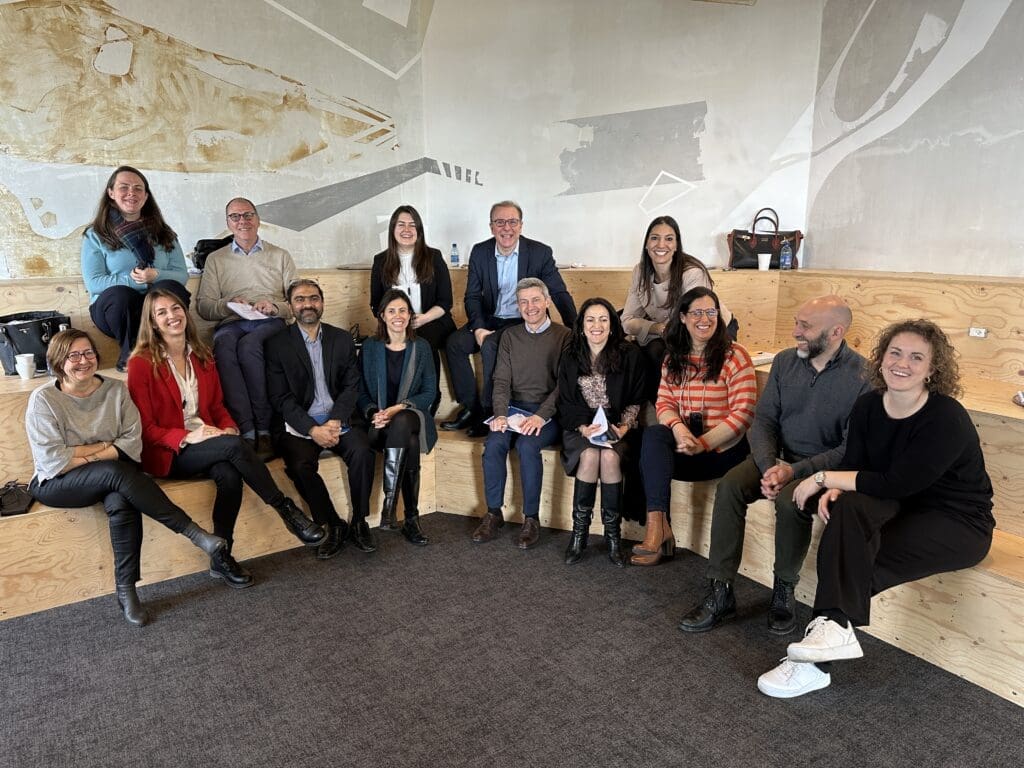
One approach is to create a small cross-functional network of employees who are equipped to facilitate collaboration and practical problem-solving across the organization. These are respected people from different teams and functions who can help:
- reinforce tools and techniques
- facilitate department strategy sessions
- surface ideas and concerns early
- strengthen collaboration across silos
- support practical micro-innovation
- help teams move from frustration to action
What makes this approach so powerful is that these facilitators are already embedded throughout the business– they’re respected in their day jobs.
They understand the work.
They know the people.
And they can support teams in real time when challenges emerge.
For example, we worked wtih Nestlé Switzerland, on a significant culture-change initiative to build a “Care and Dare” culture. They identifed key values (e.g. empathy, curiosity, and risk taking) and we built a multi-faceted approach to communicating, role modeling, training, and reinforcing these values in every aspect of their daily work.
Learn more about our culture change work at Nestlé in this short video.
In order to keep momentum going during and after our program was over, they identified a team of a dozen Care and Dare Ambassadors to advise and help execute the plan, as well as lead departmental workshops after we had returned to the United States.
The goal isn’t to turn people into professional facilitators. What helps most is giving them practical tools and confidence:
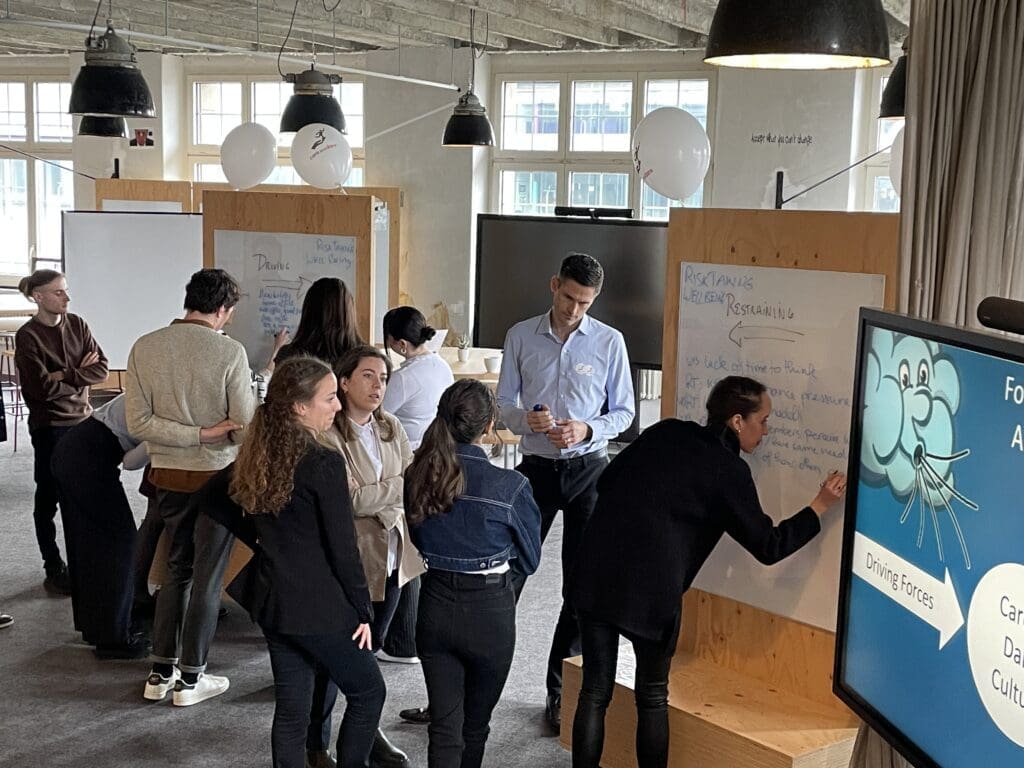
These Care and Dare Ambassadors become trusted connectors across the organization. They help collaboration spread team by team, conversation by conversation.
2. Challenge and Support Groups (Senior Leader Led Mentoring Circles)
One of our other best practices is engaging senior leaders to facilitate small cross-functional learning groups.
We call these Challenge and Support Groups.
In this model, one or two senior leaders guide a group of seven to ten employees from different functions or parts of the business. The conversations focus on how people are applying what they’re learning iin our training.
- What have they implemented so far and how is it working?
- Where are they feeling stuck?
- What challenges are emerging?
- How can they learn from one another’s best practices?
These groups create something people are often craving during times of change: a practical space to think together, solve problems together, and learn from one another.
And the impact tends to extend far beyond the formal learning itself.
Senior leaders strengthen their own collaboration and facilitation skills as they guide the conversations. Participants learn how different teams are applying the same tools and ideas in different contexts, which often sparks new thinking and practical innovation.
Watch this short video to hear first hand the impact of these groups.
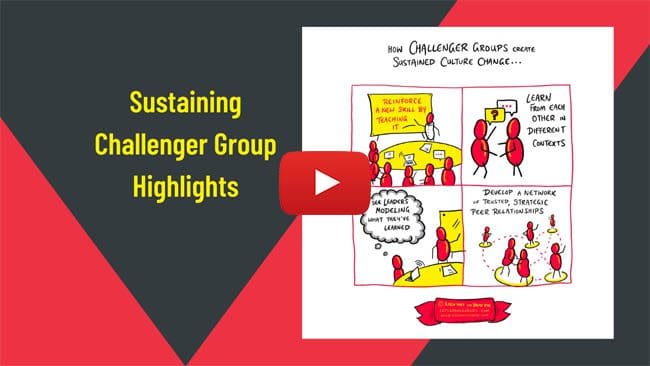
People also get to see senior leaders modeling the behaviors the organization wants more of:
- curiosity
- openness
- collaboration
- practical problem-solving
- courageous conversation
Just as important, these groups help people build trusted relationships across silos—relationships that often continue long after the program ends.
One thing we’ve learned along the way: even great leaders benefit from support and structure when facilitating these conversations.
Simple facilitation guides, discussion prompts, coaching sessions, and opportunities to practice together can make a huge difference in both the participant experience and the leaders’ confidence.
Investing in Collaboration Matters
During times of change, people don’t just need updates and direction.
They need opportunities to think together, solve problems together, and make sense of what’s changing around them.
That’s why organizations that build strong collaboration networks tend to move through change more effectively. They create more capacity for productive dialogue, faster problem-solving, and practical innovation throughout the business.
And in fast-moving environments, that kind of collaboration becomes a real competitive advantage.
Are you and your team navigating uncertainty and change? We’d love to talk about how we can help. Learn more about our approach to human-centered leadership development or contact us to set up time to talk.




0 Comments