

Be clear and curious when addressing employee complaints you didn’t see for yourself
Someone on your team has a problem. You know this because a colleague told you. Or a customer complained. Or your counterpart on the night shift left you a note. You weren’t there. You didn’t see it.
Now what?
This is one of the most common, and most avoided, conversations in distributed work. Whether you manage across shifts, oversee a field team, or lead a remote group, you’ve probably received a report about behavior you didn’t witness yourself. And there are two leadership pitfalls here. Either you over-react (treat the report as settled fact) or under-react (convince yourself you can’t do anything because you weren’t there). Both will get you into trouble.
Here’s how to get it right.
Get Curious About Employee Complaints
Second-hand information and employee complaints require an extra dose of curiosity.
What did you hear (really)?
Before you say a word to the employee, consider what you actually heard. Not all secondhand reports are the same. Their credibility depends on factors like the source’s motive, whether the account’s corroborated, and whether it’s internally consistent.
Run through a few quick questions before you do anything else:
- Who reported this, and what’s their relationship to the employee?
- Is there a specific behavior being described, or a general impression?
- Is this isolated, or part of a pattern you’ve heard from multiple sources?
- Is there any documentation like emails, records, or timestamps that that backs it up?
Check Your Biases
Next up is curiosity about your reaction. Your reaction to employee complaints are shaped by impressions you had before they arrive.
If you already find an employee difficult, the report will feel like confirmation. If you like the person and trust them, you’ll be more likely to doubt negative feedback. This is called confirmation bias, and it’s one of the most common problems you’ll face with second-hand reports.
Proximity bias compounds this in distributed environments. Managers tend to rate in-person employees higher on social dimensions. The person you see every day can feel more credible to you than the person you manage from a distance, even when the data doesn’t support it.
With these biases in mind, treat this second-hand report as a hypothesis to investigate, rather than quickly judging or dismissing it.
Gather Your Own Information
Absence of direct observation doesn’t mean the problem isn’t real. It means you have to be more deliberate. Before you schedule the conversation, get curious:
- Review any available documentation related to the reported incident
- Ask a neutral party — someone without a stake in the outcome — whether they’ve observed similar behaviors
- Do a clarity check — were expectations around this behavior were clearly communicated in the first place?
- Loop in HR to understand whether similar concerns have come up before
Document what you know, what you don’t know, and how you’re thinking through it. Even when this doesn’t rise to the level of a formal investigation, these habits will protect both you and the employee.
How to Have the Conversation
Set the stage for a meaningful conversation with a positive goal. Your goal isn’t to deliver a verdict. Your goal is to get clarity together: what happened, what are the effects, and what needs to change.
If you aren’t already familiar with the INSPIRE Method for feedback conversations, you can learn more here.
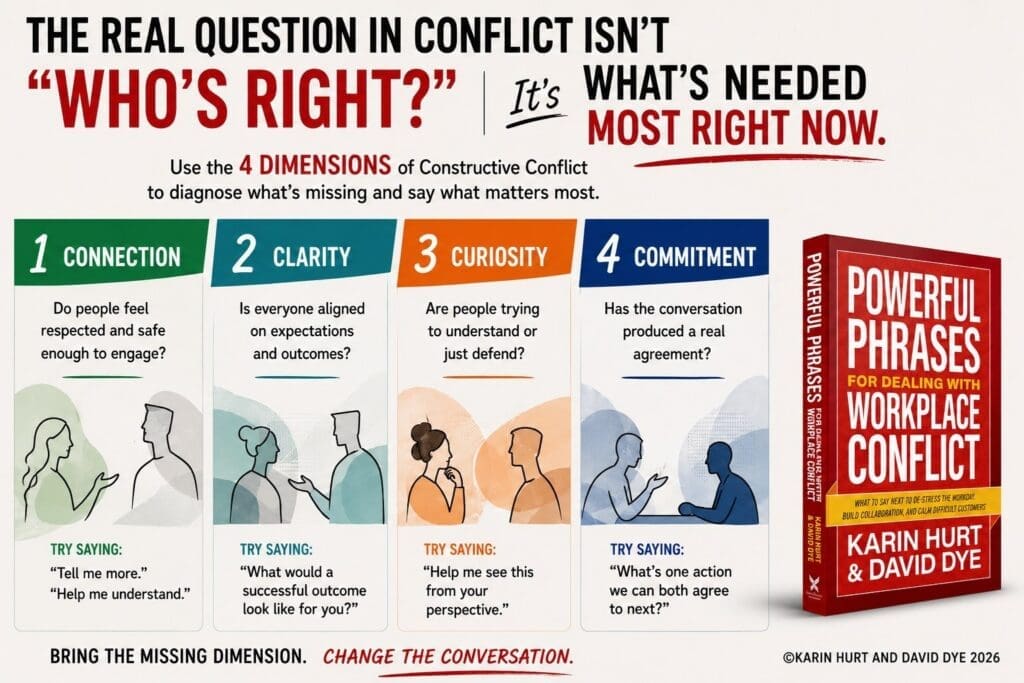
In short, you are going to connect with your intent for the conversation, the facts as you know them, and your concern for the employee. Then get curious about their perspective and solutions. Finally, end the conversation with commitment to next steps.
Here is a direct, connected way to begin the conversation:
“I want to talk about something I heard regarding ___ and find out what happened from your perspective.”
Then, move to the facts as you know them. Vague feedback triggers defensiveness. “I’ve heard you can be difficult” is not useful (“Difficult” is an interpretation, not a fact.)
Instead, try this: “I received a report that on Tuesday you told a colleague that their work was worthless in front of the group.”
Notice that you are sharing the report, not your conclusion. “I heard that you…” and “You did X” are not the same statement. The first is honest and factual. The second overstates your certainty.
Frame it accurately: “This came to my attention,” not “This happened.”
A few things to keep in mind as you go in:
When you CONNECT, be upfront about how you learned about this
You don’t need to share every detail or the specific person who told you, but you do need to be honest that this came to you secondhand.
Employees in distributed environments are especially alert to the feeling that someone is reporting on them. If you’re not transparent about where you’re coming from, the conversation will derail fast.
Get CURIOUS: ask, before you tell
Before you describe what was reported, create space for their perspective. For example, “Can you walk me through what happened with [specific situation]?”
Instead of criticizing an employee for poor performance, investigate what happened, and why. You’re not dismissing the report. You’re acknowledging that you have incomplete information.
When you move to COMMITMENT, reinforce expectations, and why they matter
Whether or not every detail of the report is accurate, there’s often something worth addressing: the behavior itself, the perception it created, or the expectation gap that allowed it. What effects did this have? What needs to be different going forward? What support would help?
If there is a legitimate issue, the conversation itself will alert the employee to the need for change or alert you to the need for more support. Either way, you can end the conversation by scheduling time in one or two weeks to review next steps and how things are going.
Build Infrastructure to Make This Easier
The hardest conversations are usually the ones you avoid the longest. Employee complaints are challenging, and in distributed environments, it’s easy to avoid them.
You can end the avoidance, stop depending on random observation, and build a feedback system that doesn’t require you to be in the room.
Here are a few ideas:
- Invest in clarity: written expectations with a clear what (outcome measures), why, and how (specific behaviors and habits) eliminate “I didn’t know that was a problem” excuses.
- Documentation practices that make both expectations and outcomes visible regardless of location or shift.
- One-on-Ones and Skip Levels: regular, structured check-ins that create ongoing feedback opportunities (not just when something goes wrong).
- Peer input and multi-source feedback so you’re not the only vantage point on behavior
- Equip your team with the INSPIRE Method so they can talk directly with one another and resolve issues before they become bigger problems.
With this kind of infrastructure in place, you’ll have fewer surprise crises and be able the handle disruptions before they escalate.
When to Go Straight to HR
These strategies are how you address employee complaints where behavior fell short and the person needs coaching and accountability.
But for employee complaints that involve potential misconduct, harassment, discrimination, safety violations, ethical breaches, or illegal activity, you’re dealing with legal issues. Involve HR immediately and follow formal protocols.
Your Turn
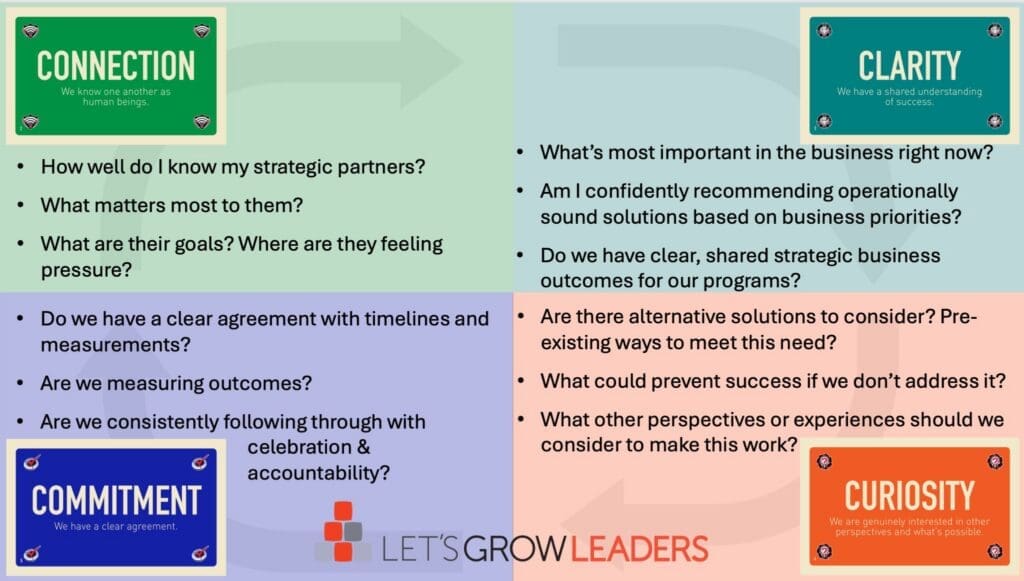
Addressing employee complaints, especially when leading people you can’t always see, requires more intentionality. Invest in clarity about expectations and outcomes. Connect with honesty about what you know and humility about what you don’t. Get curious about their perspectives and solutions. Commit with scheduled follow-through, even if it’s just to check in.
You don’t need to witness employee complaints to address them. Just bring the same care and consistent fairness you’d bring to any other hard conversation.
And if your managers could use more practical performance management skills for human-centered leaders, look at this program (easily our most popular):


0 Comments