

When Your Creative Vision Meets Pushback
What do you do when your creative vision (or project) that you’ve poured your heart into gets criticized — and it hits harder than you expected?
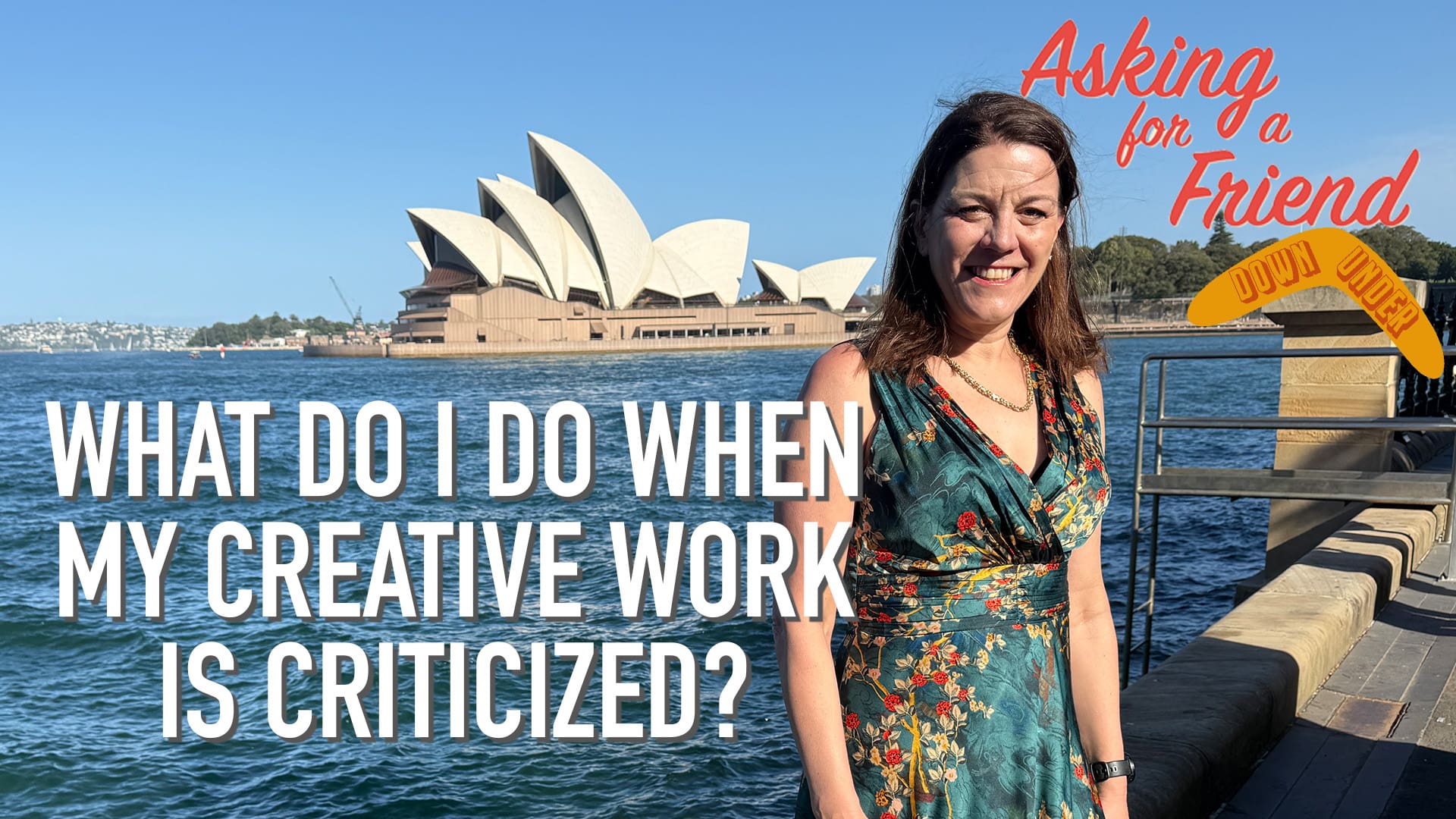
I’m standing near the Sydney Opera House, one of the most recognizable buildings in the world. It’s a masterpiece. A global icon. A symbol of creativity and ambition.
But this building also carries a quieter, more human story — one with lessons many of us recognize at work. Criticism that hurts.
A Quick Backstory (and Why It Matters with Video)
Asking For a Friend Down Under Series: Sydney Opera House edition
The Opera House was designed by Danish architect Jørn Utzon, who won an international competition in 1957. His vision was bold and unconventional — so bold that the engineering details hadn’t yet been fully solved when construction began.
As the project moved forward:
- Costs increased
- Timelines stretched
- Political pressure grew
- Media criticism intensified
What began as admiration slowly turned into public scrutiny.
Eventually, under intense criticism and conflict, Utzon resigned from the project in 1966.
He left Australia.
He never returned to see the Opera House completed.
One of the most celebrated structures in the world — and its creator walked away before it was finished.
If You’ve Ever Thought, Yep That’s Me
Most of us aren’t designing architectural icons. But many of us do create things that matter:
- A program you believed in
- A strategy you championed
- A product, proposal, or idea that felt personal
- A team or culture you worked hard to shape
When those things get criticized, the feedback doesn’t land on a spreadsheet.
It lands in your gut.
And that’s when it’s tempting to either:
- Get defensive
- Shut down
- Or quietly disengage from future risks
Practical Advice When Your Creative Work. Gets Criticized
If you’re dealing with criticism right now — or bracing for it — here are a few practical ways to respond without losing heart or momentum.
1. Don’t confuse feedback about the work with judgment about you
When your values, creativity, or reputation are tied to what you’ve created, criticism can feel personal — even when it isn’t meant that way.
When we received initial feedback from our editor on our first book, Winning Well, I was devastated. I thought, ”
What is up with all this RED… this book is important and well written.. . and the stories are engaging! Could he recognize the good parts!
I took a day and then read his feedback again with a more open mind. 90% of the feedback made the book remarkably better– and he was sill willing to talk about the rest. I realized we were both working toward the same goal and cared deeply. When we talked about this later, he said, “oh, the fact that it was a good book was implied… I didn’t think I had to say that- we just needed to get it even better.”
People offer crticism and feedback in different ways. The best way to cope with that is to separate your feelings of self-worth from the project.
2. Consider your vision for success
Another way to de-personalize the feedback is to ask yourself, “is this criticism getting us closer to the vision. Note: I find when I think about it objectively, it often is.
3. Open your mind to an expanded definition of success.
When you’re deeply engaged in a creative endeavor, it’s easy to lose peripheral vision. In our work, some of the best improvements have come when I’ve been able to open my mind and say, “I hadn’t considered that use… and hmmm… let’s think about that some more.
4. Be intentional about how you collaborate in the future.
You might not have a choice but to ignore the criticism (particularly if it’s from your boss or key stakeholders) or walk away from this collaboration. But you often have options of what to do in the future.
For example, I have a long-term collaboration with my husband and business partner, David Dye. I respect his values and his commitment to my best interests. I don’t always love his ideas or his criticism, but I listen. That trust and creative dissonance makes our work better.
On the other hand I’ve had a few train-wreck collaborations with others in the human-centered leadership space. The best decision in those cases was to walk away.
See Also: Should I Quit This Workplace Conflict?
Asking for a Friend…
What you you add as #5? What advice do you have for someone who’s createive work is crticized?


0 Comments