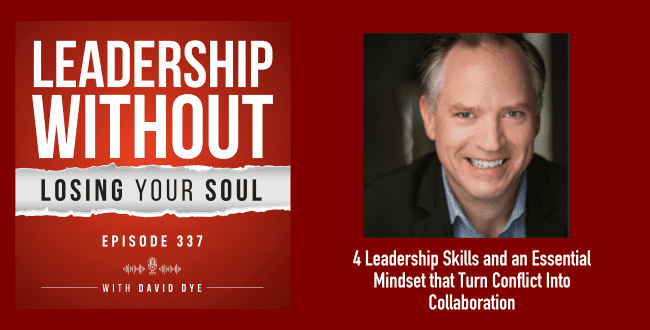
Press play now to learn how one essential mindset shift can transform the way you handle conflict. Make your workdays lighter, calmer, and far more effective.
The Essential Mindset Shift That Turns Workplace Conflict into Collaboration
(00:00–00:42) You’re introduced to the promise of the episode: four practical ways to reduce toxic workplace conflict and turn meaningful disagreement into collaboration. Without sacrificing your values or your sanity.
(00:43–01:50) David shares a personal story about confronting a CEO over an integrity concern. He shows how unspoken conflict creates stress and why the real battle often starts in your own head.
(01:51–02:47) Instead of reacting defensively, the CEO responds with curiosity. Speaking up can create learning, better decisions, and unexpected trust on both sides.
(02:48–03:47) You see how silence doesn’t protect relationships. It blocks growth. This moment highlights why adopting an essential mindset around conflict can open the door to better outcomes for everyone involved.
(03:48–04:40) The first major mindset shift is introduced: asking yourself, “What do I want to happen because of what I say?” Your words are driven by intention, not emotion.
(04:41–05:32) A powerful story reinforces why staying silent has consequences. Choosing courage, grounded in an essential mindset, is what separates reactive conflict from meaningful leadership.
How to Reduce Toxic Conflict Without Losing Your Integrity—or Your Influence
(06:53–07:56) The four dimensions of constructive conflict are introduced: connection, clarity, curiosity, and commitment. These are the foundations for productive conversations and collaborative decision-making.
(07:57–09:41) Connection is unpacked, showing how trust and human relationships dramatically change how conflict is received and resolved. Especially when it’s built before you need it.
(11:16–13:57) Clarity and curiosity take center stage. They reveal how unclear expectations and closed-off thinking fuel frustration, while genuine curiosity helps de-escalate tension and uncover better solutions.
(15:55–18:15) Finally, commitment closes the framework. It emphasizes that real progress requires specific actions, clear ownership, and scheduled follow-up. An essential mindset turns good conversations into real change.




0 Comments