

When You’re the Only One Trying to Have the Candid Conversation
“I’m not the one stuffing issues into the diaper genie… I’m the one trying to empty it.” How do I get others to engage in candid conversations? #AskingForAFriend
That came from a participant in a recent executive development program—and I knew exactly what they meant. I’m guessing you do too.
You’re willing to be candid. You care about the work, the people, the results.
But everyone else? Softening. Skimming. Sidestepping.
And now you’re sitting there thinking…
Do I push this? Do I let it go? Why am I the only one saying this out loud?
That gap is exhausting.
And here’s the tricky part: most of the people around you aren’t trying to be difficult. They’re trying to be nice and avoid conflict and drama.
But comfortable conversations don’t solve meaningful problems.
If you can’t smell it, you can’t solve it.
Why Your Courage Matters
When you’re the one trying to “empty the diaper genie,” you’re taking on more than your share of the risk.
You’re:
- Naming what others are sensing but not saying
- Disrupting the politeness pattern
- Taking the interpersonal risk
That takes courage.
In our research on workplace conflict, one finding stood out:
21% of people said their advice to their former self if faced with a significant conflict again would be simple—talk about it… or talk about it sooner.
Not say it perfectly.
Or wait until it’s less awkward.
Not gather more data.
Just… talk about it.
Because silence doesn’t make the issue disappear. It just makes it harder to address later.
5 Ways to Open More Candid Conversations (an Asking For a Friend Video)
Click on the video for more
Here are five practical ways to open more candid conversations—without making it awkward or adversarial:
1. Start the Candid Conversation with Connection, Not Correction
If you come in too strong, people retreat.
Use this Powerful Phrase
“I care about this project—and about how we’re working together. Can we talk about something that might be getting in our way?”
You’re signaling: this is about making things better, not making someone wrong.
That small shift lowers defensiveness and opens the door.
2. Name What’s Missing to Open a Candid Conversation
Often people feel the tension—they just don’t have language for it.
Use this Powerful Phrase:
“I’m sensing there might be something we’re not fully saying out loud. Are you feeling that too?”
Now you’re talking about the conversation itself, which makes it safer to step into it.
3. Get Clear on What Matters Most
Vague conversations stay safe—and stuck.
Use This Powerful Phrase:
“What’s one thing that could derail this if we don’t address it now?”
Clarity focuses the conversation on shared success, not personal discomfort.
4. Make It Easier to Join the Conversation Than Avoid It. 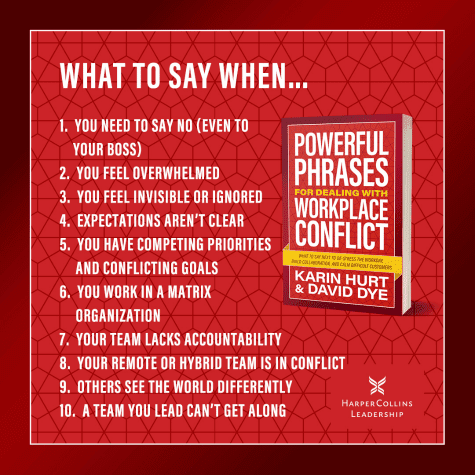
Sometimes people stay quiet because they don’t know how to enter.
Use THis Powerful Phrase
“What concerns might we be underestimating?”
or
“What would you say if this were your project?”
You’re giving people a low-risk way to contribute—without putting them on the spot.
5. Go First—But Don’t Go Alone
Yes, you may need to model the candor.
But your job isn’t to carry the whole conversation—it’s to invite others into it.
There’s a big difference.
When you go first with care and clarity, you make it easier for others to follow.
Why Your Practical Courage Matters
Being the only one willing to say the hard thing can feel lonely.
But it’s also leadership.
And when you approach it with connection, clarity, and curiosity, something shifts.
Because courage is contagious. And so is silence.
The more you practice candid conversations, the less likely you are to carry them alone.
Your turn: What’s one phrase or question you’ve used to help others say what’s really going on?




0 Comments